
South Africa Newsletter, March
Minga Mission Hospital & Eastern Province Healthcare
Healthcare depends on more than what happens inside a consultation room. In Zambia’s Eastern Province, the systems behind the scenes can be just as critical to patient care.

At Minga Mission Hospital, consistent electricity allows surgeries to proceed without interruption, while reliable water storage and oxygen supply sustain life in critical moments.
Behind every consultation, delivery, and emergency procedure, these foundational systems quietly carry the weight of care.
EMI South Africa is leading two major initiatives in Zambia in collaboration with the EMI US office, national partners, and generous donors. Together, these efforts are strengthening healthcare delivery at both facility and provincial levels.
At Minga Mission Hospital, Phase One of a development project focused on increasing surgical capacity and long-term sustainability is approximately 70 percent complete. The hospital is moving from two small, basic surgical rooms to a strengthened surgical unit that will include one teaching theatre, two standard operating theatres, a proper sluice room, and dedicated preparation and recovery areas. A solar field is being installed to improve energy reliability, alongside expanded water systems and a dedicated oxygen plant.
Upgrades are also underway in the outpatient department, children’s ward, and waiting areas, recognising that the spaces where families sit and wait shape the experience of care just as much as the operating theatre. Access roads are being improved to support safe and reliable entry to the hospital. Together, these changes are reshaping how care can be delivered day to day.
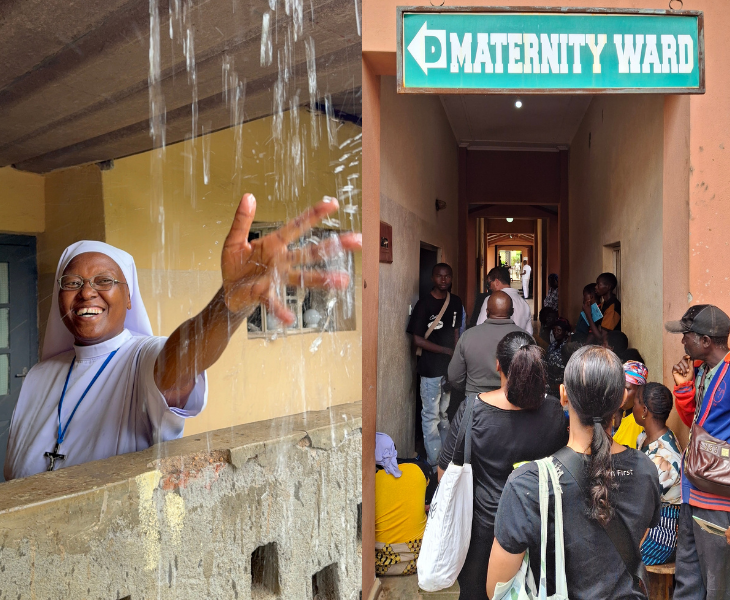
Above left: A visit to Minga Mission Hospital during the rainy season as Phase 1 of construction continues—a promise visibly being fulfilled for the hospital administrator, Sister Asperanza. Above right: The team’s first visit of Nyanje Mission Hospital, Group (EMI -Team and Hospital Leadership) entering an overcrowded Maternity ward.
Partnership has shaped every stage of this work. Mutinta Kaula serves as a local Zambian consultant supporting implementation and stakeholder engagement for the Minga development while consulting independently to EMI South Africa. Her local insight ensures that technical solutions align with on-the-ground realities. Alongside hospital management and maintenance teams, training sessions focus on equipping staff to operate and steward the new infrastructure well into the future.
As engagement at Minga deepened, a broader pattern became evident. Similar infrastructure and systems challenges affect healthcare facilities across the Eastern Province. In response, EMI South Africa partnered with the Zambian Ministry of Health and aligned funding partners to support the development of an Eastern Province Maternal and Child Healthcare Strategy.
Mpanji Sinkala joined this effort as a local consultant during the early stages of the provincial healthcare initiative. His willingness to step forward and support the work, coupled with his existing relationships and understanding of the healthcare landscape, helped strengthen collaboration with provincial leadership and open pathways for deeper engagement with the Ministry of Health. What began with a simple yes has since played a meaningful role in shaping the direction and scope of this growing partnership.

Above: Mpanji Sinkala (left) and Mutinta Kaula (right), bringing local knowledge, relationships and insight that continue to shape EMI’s work in Zambia.
In September and October 2025, a ten-day high-level assessment was conducted across eighteen health facilities in the province, leading to the selection of four facilities for detailed evaluation. The team has now returned from those in-depth visits, where days were spent walking hospital corridors, engaging leadership, observing clinical workflows, and examining how infrastructure, management systems, and service delivery intersect in maternal and child healthcare.
The visits were both fruitful and deeply humbling.
At one of the assessed facilities, Raymond Kasaka, Medical Officer in Charge at St. Luke’s Mission Hospital, shared, “We don’t get into this job to make a lot of money, it’s a ministry. From the cleaner to management, everyone has an important role.” His words reflected what the team encountered repeatedly. Doctors, nurses, midwives, administrators, cleaners, and support staff continue to serve tirelessly despite resource and infrastructure limitations. They carry healthcare forward every day. Walking alongside them as they pursue stronger, more sustainable systems remains a responsibility that shapes the work ahead.
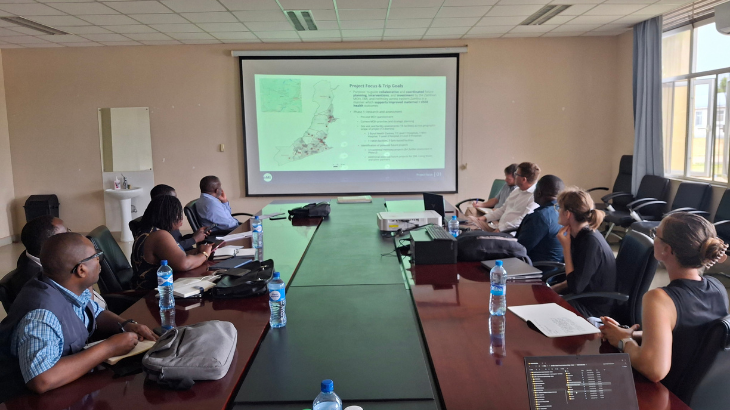
Insights gathered from these detailed assessments are now shaping the next phase of engagement. EMI South Africa is working closely with healthcare leadership to clarify project scope, discern appropriate scale, and thoughtfully position each initiative for future implementation. This includes representing clients when engaging potential funding partners, translating technical needs into clear proposals, and advocating for solutions that are realistic, sustainable, and locally owned. In many ways, the work involves standing in the gap, helping bridge vision and implementation so that long-term improvements in maternal and child healthcare can take root.
Alongside infrastructure improvements and strategic planning, a longer vision is forming. Partnerships have deepened. Trust has grown. The scale of need has become clearer.
A formal EMI Zambia office has not yet been established. Conversations around launching one are gaining momentum. The progress of current projects, the strength of local collaboration, and the opportunities identified through assessment all point toward the value of a sustained, locally rooted presence. Continued partnership could allow this work to expand in scope and impact, serving healthcare systems and communities across Zambia for years to come.
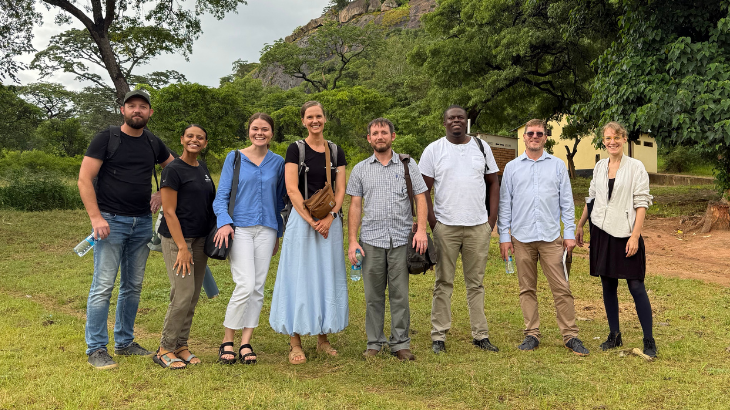
Above: EMI South Africa team for the Zambia Eastern Province Maternal and Child Healthcare Strategy trip
